Category

Beauty

The latest international editorial on beauty, from the global desks of Avenue.

5 Stories

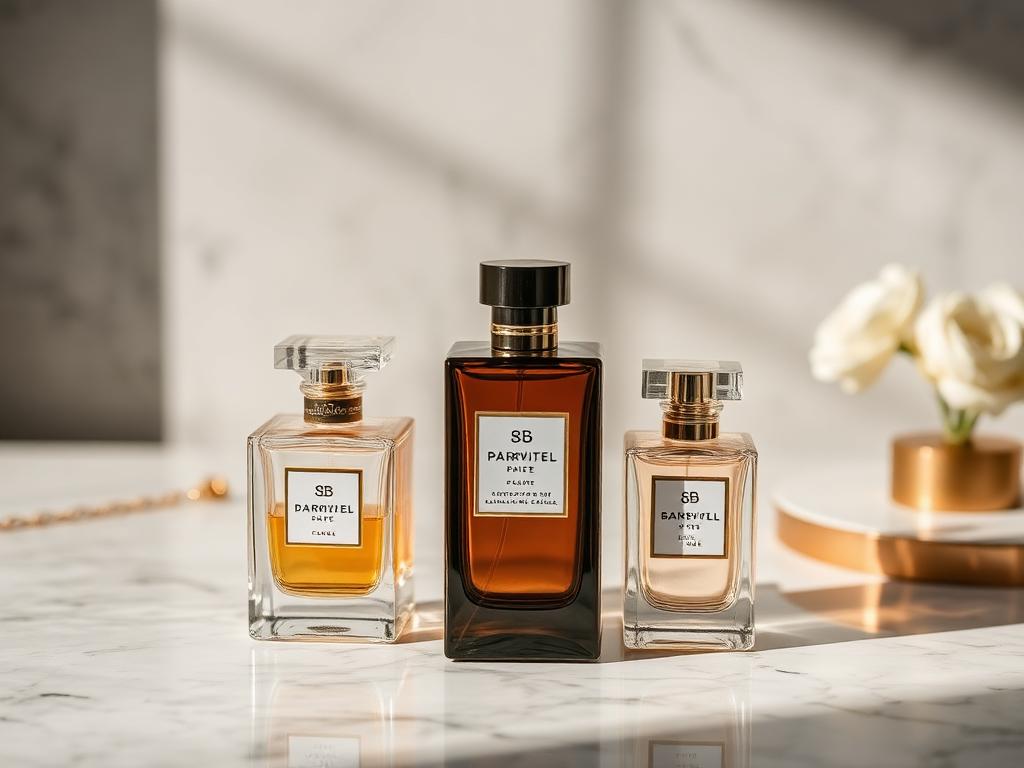
Curated wardrobe of niche unisex fragrance bottles — neroli, oud, vetiver, clean musk — arranged on a marble vanity for Avenue. BeautyBeauty

The New Men's Fragrance Wardrobe

Scent is shedding gender labels. These are the notes worth wearing now.

The modern fragrance shelf is no longer divided by gender. Neroli, oud, clean musk, and smoked vetiver sit side by side, chosen by mood rather than marketing. Niche houses from Grasse to Dubai are releasing scents that refuse to label the wearer, and shoppers are responding with real money. The mass-market brands, always the last to move, are quietly rewriting their briefs to catch up. We asked four perfumers — in Paris, Dubai, Los Angeles, and Tokyo — what the future of scent looks like. The answer, in different words each time, was freedom. Freedom from the pink-versus-black bottle. Freedom from the assumption that a wearer's body chemistry can be predicted by the pronoun on their driver's license. Freedom, most of all, to choose a scent because it makes the wearer feel like themselves. For a man building a first serious fragrance wardrobe today, four categories cover almost every occasion. A clean, aquatic-adjacent everyday scent handles work and warm weather; look for compositions built on musk, bergamot, and a whisper of ambergris rather than the loud marine accords of the early 2000s. A leathery, spicy fragrance handles evenings and cold months; suede, cardamom, and a smoky wood base age beautifully on skin. An unusual signature — an oud, a smoked incense, an intensely green fig — creates the scent memory that other people will associate with the wearer for years. And a single well-chosen unisex fragrance, worn only in intimate settings, provides the pleasure of a scent nobody else in the room will be able to name. Application matters more than most men realize. Two sprays, applied to the base of the throat and the inner wrists after moisturizer, will outlast eight sprays applied to a dry shirt collar. Fragrance is designed to be worn on warm, hydrated skin, where the heart notes have time to develop. It is not cologne water to be splashed on for a burst of top notes. It is a wearable composition that reveals itself over hours. The most encouraging shift is generational. Men under thirty-five are buying niche fragrance at rates that exceed any previous cohort, and they are buying by note rather than by brand. They ask about the oud region, the vetiver origin, the concentration percentage. They know the difference between an eau de toilette and an extrait. This is not a phase. It is the arrival of a customer who takes scent as seriously as women's fragrance customers always have. The industry is finally being asked to grow up alongside them.
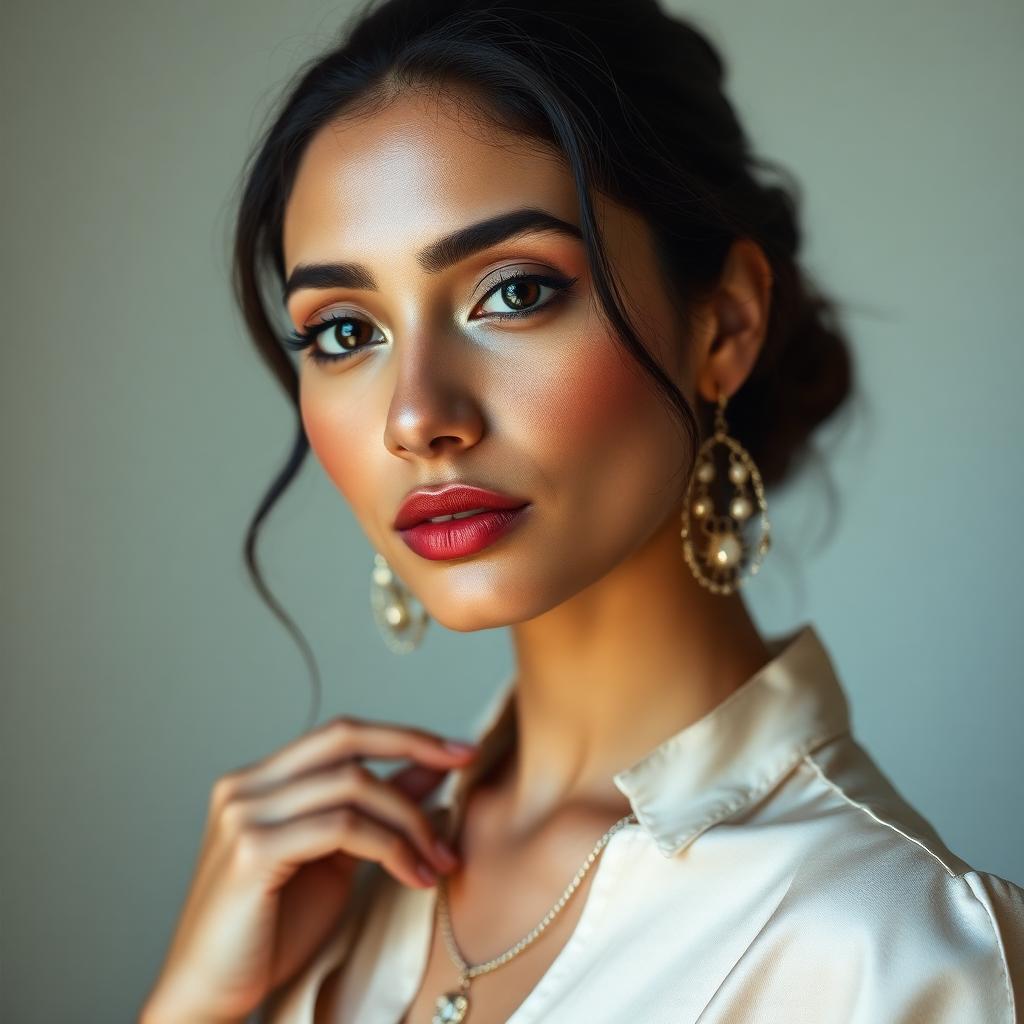
Editorial beauty portrait of a South Asian transgender model with luminous dewy skin, soft natural makeup, and antique gold earrings for Avenue. BeautyBeauty

Radiance Redefined: How Global Beauty Is Letting Go of a Single Standard

From Seoul to São Paulo to Mumbai, beauty editors are reporting the same shift: the era of the universal ideal is ending.

For most of the twentieth century, beauty travelled in one direction. A standard was set in Paris or New York, exported through magazines and films, and adopted — with varying degrees of resistance — everywhere else. Skin should be a certain tone. Hair should fall a certain way. Features should arrange themselves into a familiar geometry. That model is finally breaking. Across our global desks, beauty editors are reporting the same shift. In Seoul, the 'glass skin' aesthetic that dominated K-beauty for a decade is being challenged by a new wave of artists celebrating freckles, texture, and what one Seoul-based makeup director called 'the skin you actually have.' In São Paulo, brands are formulating foundation ranges that begin where most legacy lines end, with fifty or more shades calibrated for the full spectrum of Brazilian skin. In Mumbai, the conversation about colorism — long taboo in the country's enormous beauty industry — is now being led by the industry itself. The transgender and non-binary community has been central to this shift. When beauty stops being about conforming to a fixed ideal and starts being about expressing a specific identity, the entire commercial logic of the category changes. Products are no longer sold as corrections. They are sold as tools. The science is keeping up. Personalized skincare, driven by at-home diagnostics and AI-formulated serums, is now mainstream in Tokyo and increasingly available in Europe and North America. Fragrance houses are abandoning gendered marketing in favor of mood-based and memory-based positioning. Hair care, perhaps the most overdue category, is finally producing formulas designed for coily and kinky textures by people who actually have them. There is still a long way to go. Casting, retouching, and product development all still skew toward a narrower ideal than the customer base demands. But the direction is clear, and it is not reversible. The era of the single standard is ending, and what is replacing it is more interesting, more profitable, and more honest.

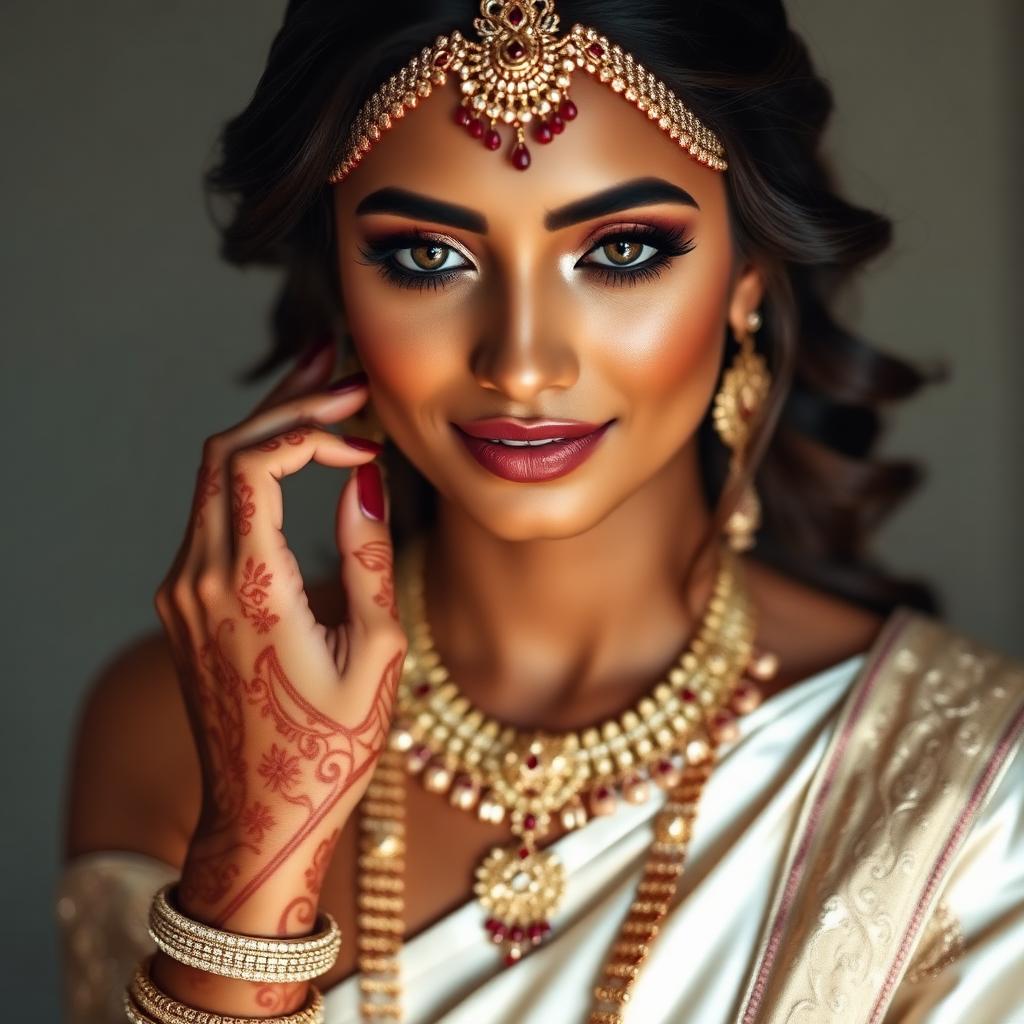
South Asian bride with deep brown skin, gold and ruby jewelry, henna, and an ivory silk saree in soft studio light for Avenue. BeautyBeauty

Bridal Beauty Goes Global: The New Universal Language of the Wedding Aisle

From South Asian henna ceremonies to Nigerian coral beads, modern brides are remixing tradition into something deeply personal.

The wedding industry has long sold a single image of bridal beauty: pale skin, loose waves, a blush lip, and a white dress. That image is finally losing its monopoly. Around the world, brides are reclaiming their ceremonies as opportunities to honor heritage, experiment with color, and define glamour on their own terms. In South Asia, the bridal beauty economy has always been enormous, but it is now going global in new ways. Diaspora brides in London, New York, and Toronto are working with makeup artists who understand deeper skin tones, gold undertones, and the specific demands of long ceremonies under hot lights. The result is a generation of brides who no longer feel they must lighten or soften themselves to fit a Western ideal. Across West Africa, coral beads, gele headwraps, and hand-woven aso-oke are being paired with modern tailoring and minimalist makeup. The contrast is deliberate: tradition as armor, not costume. In the Middle East, bridal beauty is becoming more personalized, with women choosing between full-glam evening looks and barely-there skin finishes depending on the event and their own taste. The cosmetics industry has noticed. Foundation ranges that once stopped at a shallow tan now extend to deep espresso. Long-wear formulas are tested against humidity, tears, and twelve-hour celebrations. Hair products for textured and coily hair are finally appearing in mainstream bridal kits. The change is commercial, but it is also cultural: the customer is no longer being asked to adapt to the product. What unites these different traditions is a shift in authority. The bride is no longer a mannequin for an industry standard. She is a curator, selecting from a global menu of techniques, colors, and symbols to create a look that belongs to her. That is the real revolution in bridal beauty — and it is only beginning.

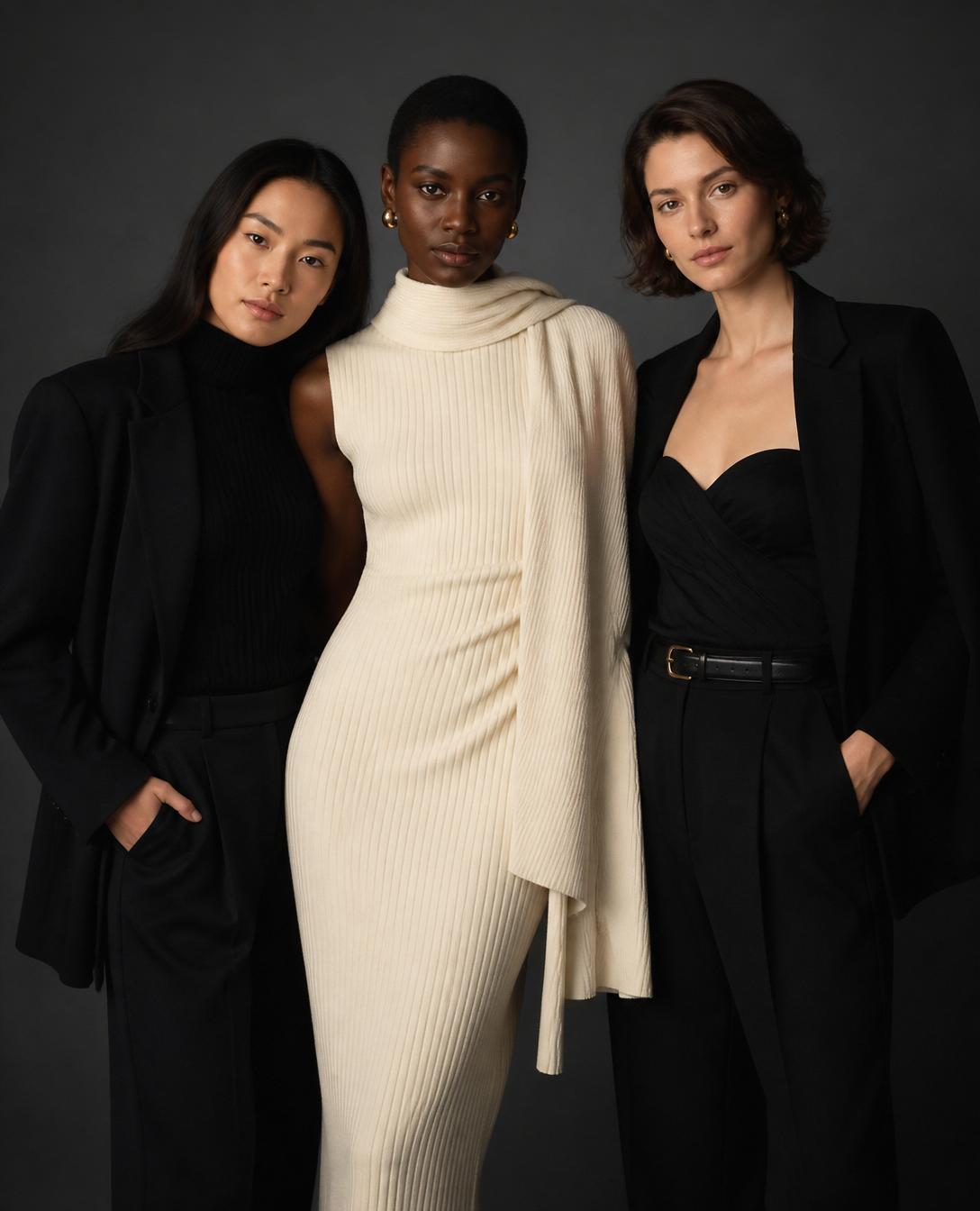
Avenue. Global Edition cover story — The Fluidity of Modern Glamour — featuring an international cast redefining the runwayBeauty

The Fluidity of Modern Glamour

Avenue. is the global beauty and style vertical of Véronique.

Avenue. is the global beauty and style vertical of Véronique. Each week, our desks in Paris, Tokyo, New York, and São Paulo report on the designers, products, and movements making glamour feel personal again. Breaking boundaries with the faces redefining the international runway this season.

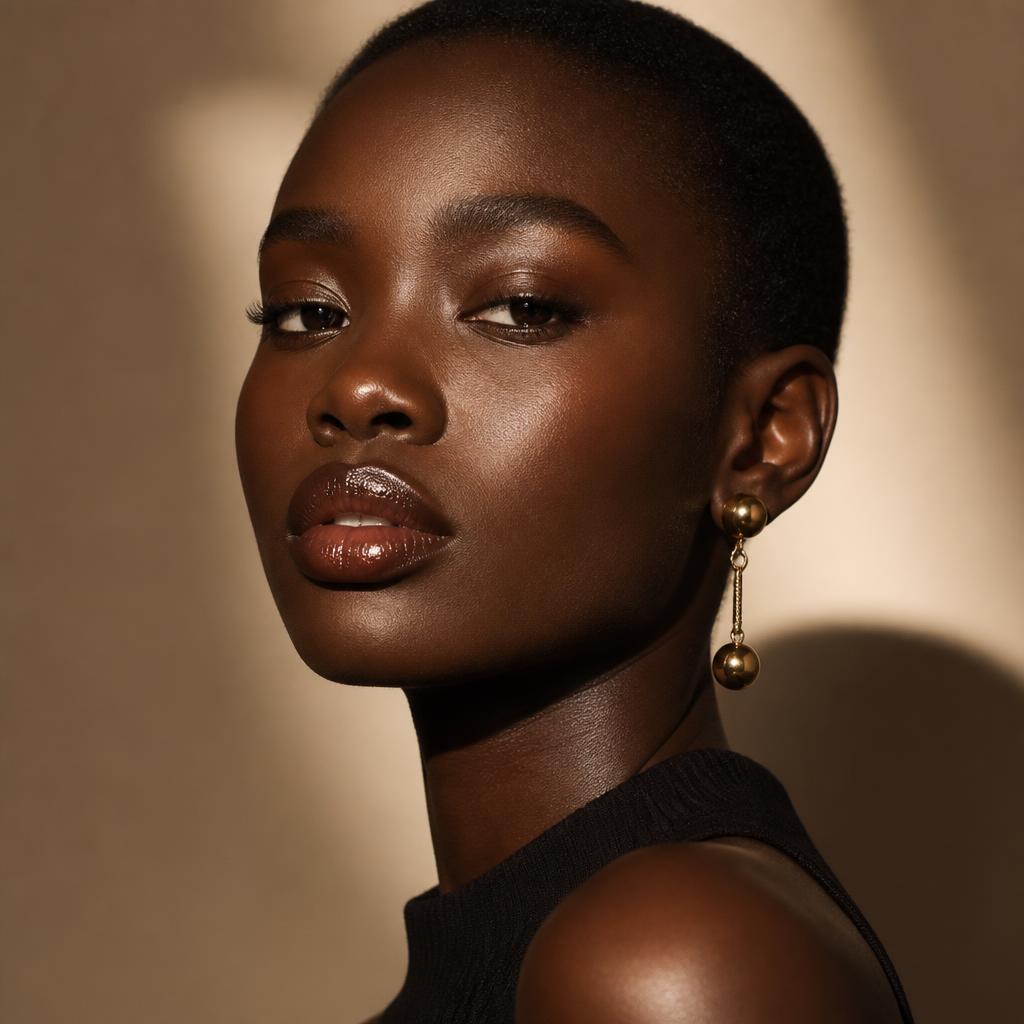
Editorial beauty portrait of a Black woman with radiant deep skin, close-cropped natural hair, and glossy sculpted lips in warm studio light for Avenue. BeautyBeauty

The Lip Atlas: How the World's Beauty Capitals Are Redefining the Mouth

From Lagos gloss to Seoul stain to São Paulo matte, the lip has become the most expressive canvas in international beauty.

Every beauty era belongs, in the end, to a single feature. The nineties were the eye. The 2010s belonged to the brow. 2026 is the year of the lip — and unlike previous eras, the lip is no longer being interpreted through a single dominant aesthetic. It is being reinvented in parallel across every major beauty capital, and the resulting Atlas is more interesting than any single trend cycle in memory. In Lagos, the defining finish is high-shine gloss, layered in three coats over a lip liner that extends slightly beyond the natural lip line. The reference points are unapologetic: the singers, the actresses, the mothers and aunties whose photographs from the eighties are being restudied on Nigerian TikTok. The palette skews warm — cinnamon, russet, chocolate, deep berry — and the finish rejects the muted 'clean girl' aesthetic that dominated Western beauty for the last three years. Lagos gloss is loud on purpose. In Seoul, the movement has gone in the opposite direction. The signature look is a stain rather than a lipstick — a tinted balm pressed into the center of the lip and blurred outward with a fingertip. The finish is intentionally imperfect, meant to look as though a color has been sitting on the mouth for hours. K-beauty brands are releasing formulas that combine the pigment load of a lipstick with the wear pattern of a berry eaten an hour ago. The effect reads as very young, very confident, and very hard to buy your way into if you do not know exactly which product to reach for. São Paulo has emerged as the global capital of the matte lip, but the Brazilian matte is not the flat, drying formula of the late 2010s. It is soft, cushiony, and built on silicone-free formulas that respect the lip's natural texture. The color range runs deep — burnt sienna, wine, oxblood, and a specific brick red that the local beauty press has taken to calling paulista. Paris, characteristically, is refusing to commit. The city's beauty editors are photographing everything from bitten-berry stains to eighties-red lacquer to sheer nude balms and calling all of them 'French.' The lack of a single directive is itself the directive. The most French lip of 2026 is the one that looks least considered — the one that suggests the wearer chose it in a taxi on the way to dinner. What unifies the Atlas is that no single geography is trying to dictate to the others. The Lagos lip is not being sold as an African-inspired look for a Western customer. The São Paulo matte is not being repackaged for a European market. The formulas are being developed by local labs, worn by local customers, and exported on their own terms. That is a genuine shift in how global beauty operates, and it is more significant than any single color choice. For readers building a lip wardrobe today, the useful takeaway is this: one gloss, one stain, one matte, and one clear balm, chosen in shades that flatter the wearer's own coloring, will cover almost every occasion. The specific brands matter less than the willingness to abandon the assumption that a single mouth belongs to a single look. The lip, in 2026, is a canvas — and the Atlas suggests that everyone is invited to paint on it.