Category

Fashion

The latest international editorial on fashion, from the global desks of Avenue.

6 Stories

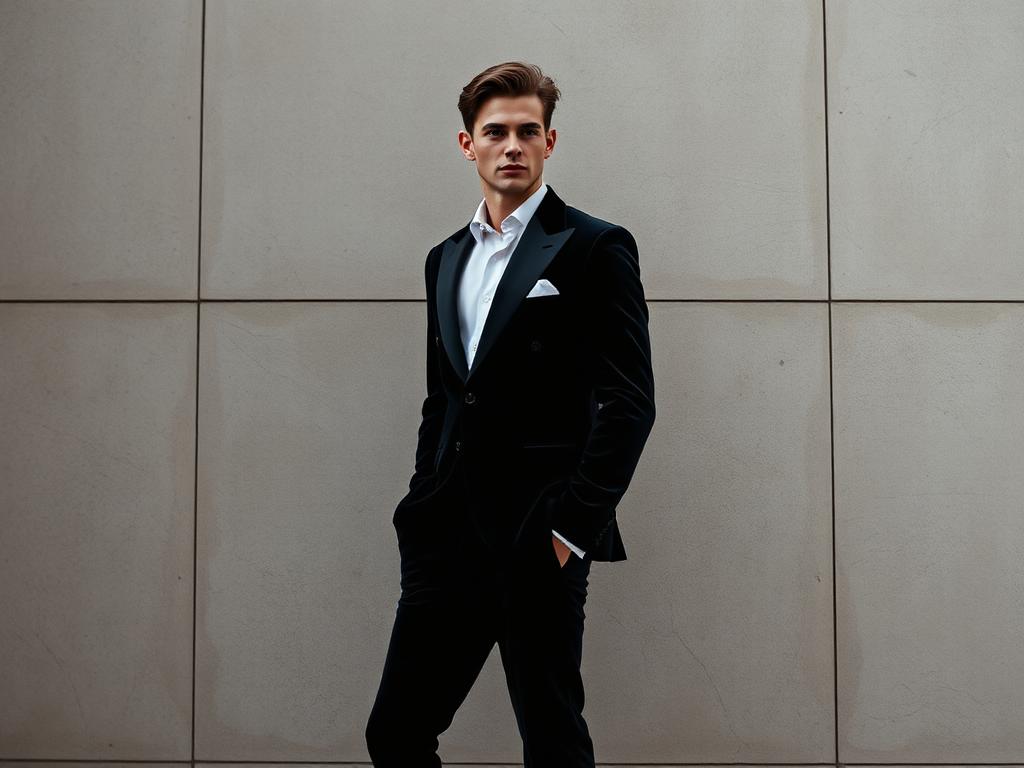
Burgundy velvet menswear jacket with structured shoulders photographed in warm autumn window light for Avenue. FashionFashion

Velvet & Vigor: The Men's Autumn Resurgence

Why the international runway is returning to texture and traditional craftsmanship.

Autumn runways from London to New York to Milan are trading athleisure for texture. Velvet, corduroy, brushed wool, and heavy jersey are returning in deep burgundy, forest green, tobacco, and oxblood. The look is unapologetically romantic, cut with modern shoulders and slim, high-rise trousers. It is not a costume. It is a statement that refinement is alive, and that men are once again allowed to enjoy dressing. The shift has been years in the making. When the pandemic collapsed the office and drove everyone into elastic waistbands, the industry rushed to declare tailoring dead. It was, briefly. But the pendulum has swung with unusual force. Younger men in particular — the same generation that grew up in hoodies — are now driving the return to real clothes with an appetite that surprised even the designers betting on it. Three pieces will carry the season. The first is the velvet blazer, cut single-breasted with a slightly extended shoulder and worn open over a fine merino roll-neck. Burgundy remains the safest entry point, but the more interesting choices are forest green and midnight blue, both of which read as neutrals under artificial light. The second is the corduroy trouser in wide-wale, pleated at the front, hemmed with a small break over a suede loafer or a Chelsea boot. The third, and the most versatile, is the heavy overshirt in brushed wool or moleskin — worn as a jacket in mild weather, layered under a topcoat when the temperature drops. The craftsmanship conversation matters. The best of this season's velvet is woven in northern Italy on looms that have not changed in fifty years. Real corduroy uses a cotton weft dense enough to hold its wale through decades of wear. Brushed wool from mills in Yorkshire and Biella has a hand that no fast-fashion imitation can approach. These are not trend pieces. They are foundation garments for a wardrobe meant to last. The casting on the runways has been the quiet revolution alongside the fabrics. This season's autumn shows have featured a broader range of ages, body types, ethnicities, and gender expressions than any autumn in recent memory. Velvet, it turns out, looks extraordinary on almost everyone. That is the point. Refined dressing was never meant to belong to one kind of man. This season, the industry is finally acting like it knows that.
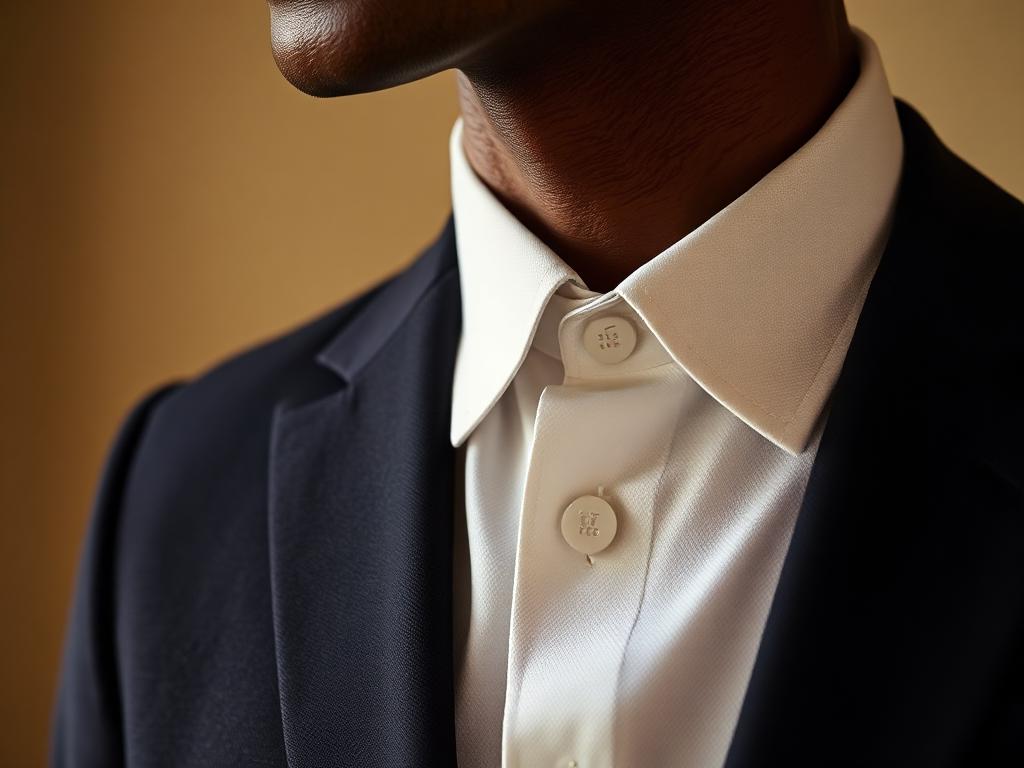
Close-up detail of a bespoke wool suit collar with hand-stitched lapel, photographed in a Naples tailoring atelier for Avenue. FashionFashion

Tailoring for Every Body

The quiet revolution happening in ateliers from Naples to Hong Kong.

A good suit is architecture you wear. It has to hold a shape while allowing the body inside it to move, breathe, and behave like a human being. For most of the twentieth century, the assumption underneath every tailoring block was that the body in question was a narrow band of male proportions between the ages of twenty-five and fifty. Everyone else was expected to alter themselves to fit the clothes. That assumption is finally being retired. This season, tailors from Naples to Hong Kong to Lagos are expanding their blocks to fit more bodies, more proportions, and more identities. The result is a quiet revolution: clothing that fits the person, not the other way around. We visited three houses over six weeks and came away with one truth — fit is the ultimate luxury, and it is finally being extended to everyone who wants it. In Naples, Sartoria Ciardi has spent the last three years rebuilding its women's blocks from scratch, in collaboration with a rotating group of clients who agreed to be measured, photographed, and consulted through every fitting. The resulting silhouette is unmistakably Neapolitan — soft shoulder, spalla camicia sleeve, no shoulder pad — but built on a pattern that acknowledges breasts, hips, and the fact that most women do not stand in the anatomical position that menswear tailoring implicitly assumes. The house's female clientele has quadrupled. In Hong Kong, the tailor W. W. Chan — a house that has been making bespoke suits for more than seventy years — now devotes a full third of its production to trans and non-binary clients, many of whom fly in from across Asia for fittings. The head cutter described the work simply: 'The suit has to make the client feel like themselves. That is the entire brief. Everything else is technique.' The technique, in this case, includes chest binders integrated into the shirt construction, jacket blocks that flatter surgical results, and trouser fits that accommodate the different pelvic geometries the house had previously ignored. In Lagos, the young tailor Emmy Kasbit is doing something different again — building bespoke tailoring on West African body proportions rather than importing European blocks and forcing them to fit. The results have been noticed. Kasbit now dresses clients in London, New York, and Dubai who could go anywhere for a suit and choose to fly to Lagos instead. The economics of this shift are more interesting than the ethics, which are obvious. Bespoke tailoring is a growth business at a time when almost every other segment of luxury is flat or declining. The customer who commissions a suit is not buying a status object. They are buying a garment that will outlast three ready-to-wear jackets and make them feel taller, calmer, and more themselves every time they put it on. That is a product with genuine value, and the market is proving it will pay for it. The quiet revolution in tailoring is that the industry has finally understood the assignment. Fit is not a technical detail. It is the entire point. And the ateliers that get it right — the ones that will still be here in fifty years — are the ones that treat every body walking through the door as worth building around.

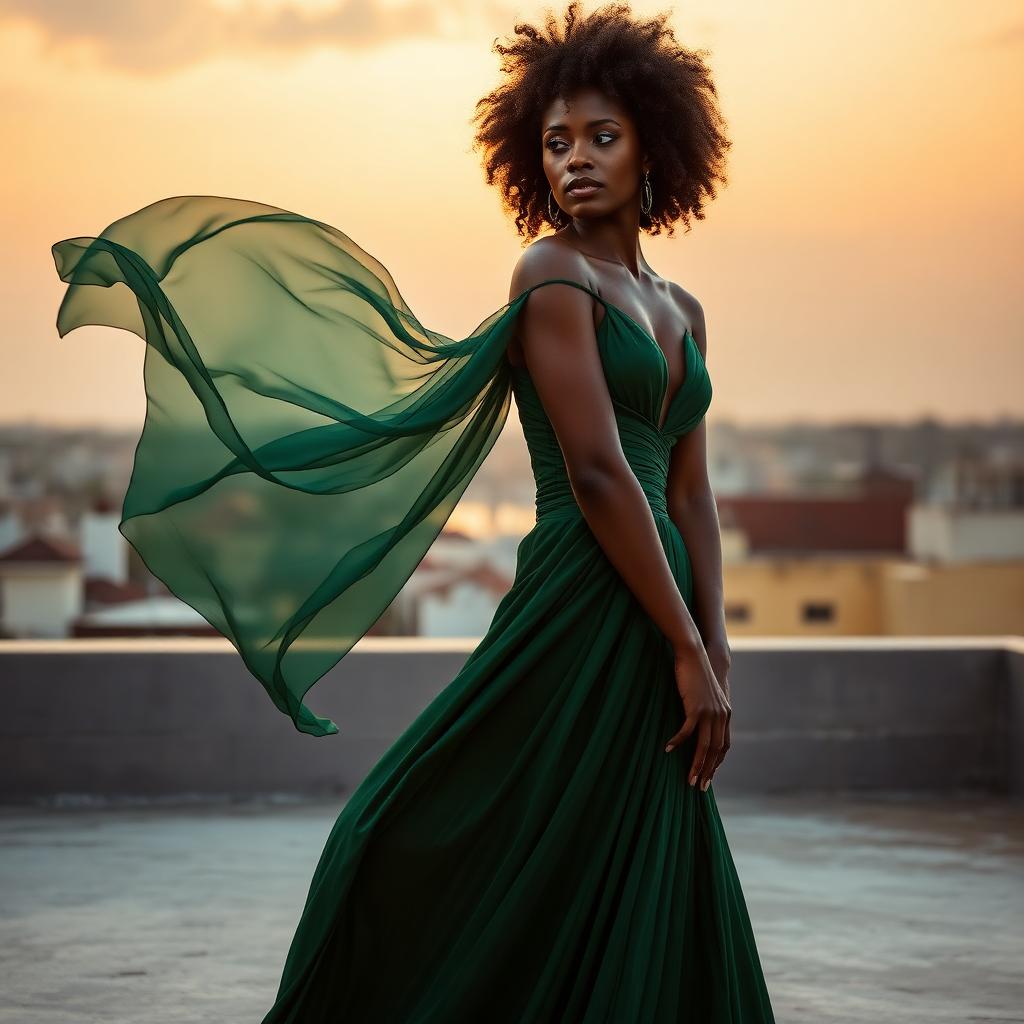
Black African woman with a natural afro modeling a flowing emerald green couture gown on a Lagos rooftop at golden hour for Avenue. FashionFashion

Lagos Rising: The New African Couture Reshaping Global Fashion

From Victoria Island ateliers to Paris runways, a new generation of African designers is rewriting the language of luxury.

For decades, the global fashion conversation orbited four cities: Paris, Milan, New York, London. That map is being redrawn. In Lagos, a new generation of designers — many trained in Europe, all rooted in West African craft traditions — is producing couture that the rest of the industry can no longer afford to ignore. Walk through the design district of Victoria Island and the evidence is everywhere. Ateliers the size of small apartments turn out hand-beaded gowns that take six artisans three months to complete. The aso-oke weavers of Iseyin are collaborating with houses that show in Paris. The adire indigo dyers of Abeokuta are seeing their work on the covers of European magazines. What was once dismissed as 'ethnic' is now recognized for what it always was: couture. The designers leading this moment — Lisa Folawiyo, Kenneth Ize, Tokyo James, Andrea Iyamah, Emmy Kasbit — share a refusal to translate their heritage into a Western vocabulary. They are not making 'African-inspired' clothes for a European customer. They are making African clothes, full stop, and the European customer is welcome to keep up. The economics matter, too. The African luxury market is projected to grow faster than any other region over the next decade, driven by a young, increasingly affluent middle class that wants to see itself reflected in what it wears. Brands that previously treated the continent as an export market are now opening flagship stores in Lagos, Nairobi, and Johannesburg. What the new Lagos couture proves is something the industry has been slow to learn: luxury is not a geography. It is craft, vision, and the courage to believe your own story is worth telling. The rest of the world is finally listening.

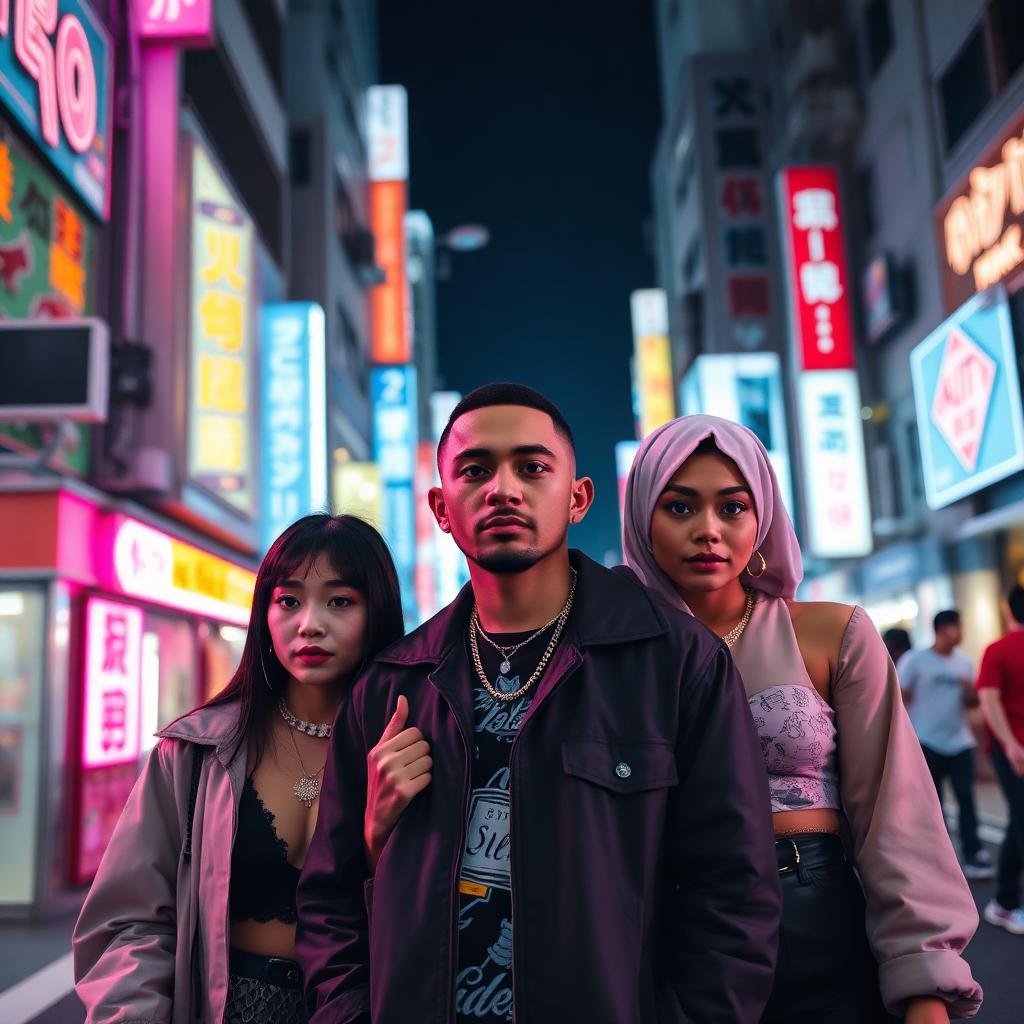
Diverse group of friends — an East Asian woman, a Latino man, and a Middle Eastern non-binary creative in a hijab — wearing avant-garde streetwear under neon signs in Shibuya, Tokyo for Avenue. FashionFashion

Tokyo After Dark: The Street Style Tribes Defining the Next Decade

Harajuku is no longer one scene. It is a constellation of subcultures, and they are setting the tempo for global fashion.

For nearly forty years, Harajuku has been shorthand for Japanese street style — a single image of pastel hair, layered skirts, and platform shoes that circulated through Western magazines and froze in place. The reality, then and now, was always more complicated. What is happening in Tokyo after dark in 2026 cannot be summarized in a single look, because there is no single look. There are dozens, and they are converging into the most influential street culture on the planet. The shift began during the pandemic, when the closure of physical venues pushed Tokyo's subcultures online. What emerged when the city reopened was not a return to the old tribes but a remixing of them. Gyaru aesthetics merged with techwear. Lolita silhouettes met Y2K minimalism. The boundaries between menswear and womenswear, always more porous in Japan than in the West, dissolved almost entirely. Walk through Shibuya on a Friday night and the evidence is on every corner. A group of friends might include an East Asian woman in a deconstructed kimono jacket, a Latin American exchange student in custom denim, a Middle Eastern non-binary creative in a hijab styled with avant-garde tailoring. They are not coordinated. They are not a scene in the old sense. They are something newer: a generation that treats personal style as a continuous act of self-authorship, drawing from any tradition that speaks to them and refusing to apologize for the combinations. The global fashion industry has noticed. Japanese designers — Sacai, Junya Watanabe, Undercover, Anrealage — have been the most quietly influential force in luxury for a decade, and the street culture that surrounds them is now being studied by every major house. Casting directors fly into Tokyo not just for runways but for sidewalks. The looks that appear in Shibuya on a Saturday night routinely show up, sanitized and repriced, on European catwalks the following season. What Tokyo is teaching the rest of the world is that fashion's future is not monolithic. It is plural, polyglot, and built by people who refuse to choose. The next decade will belong to the cities that can hold all of that at once.

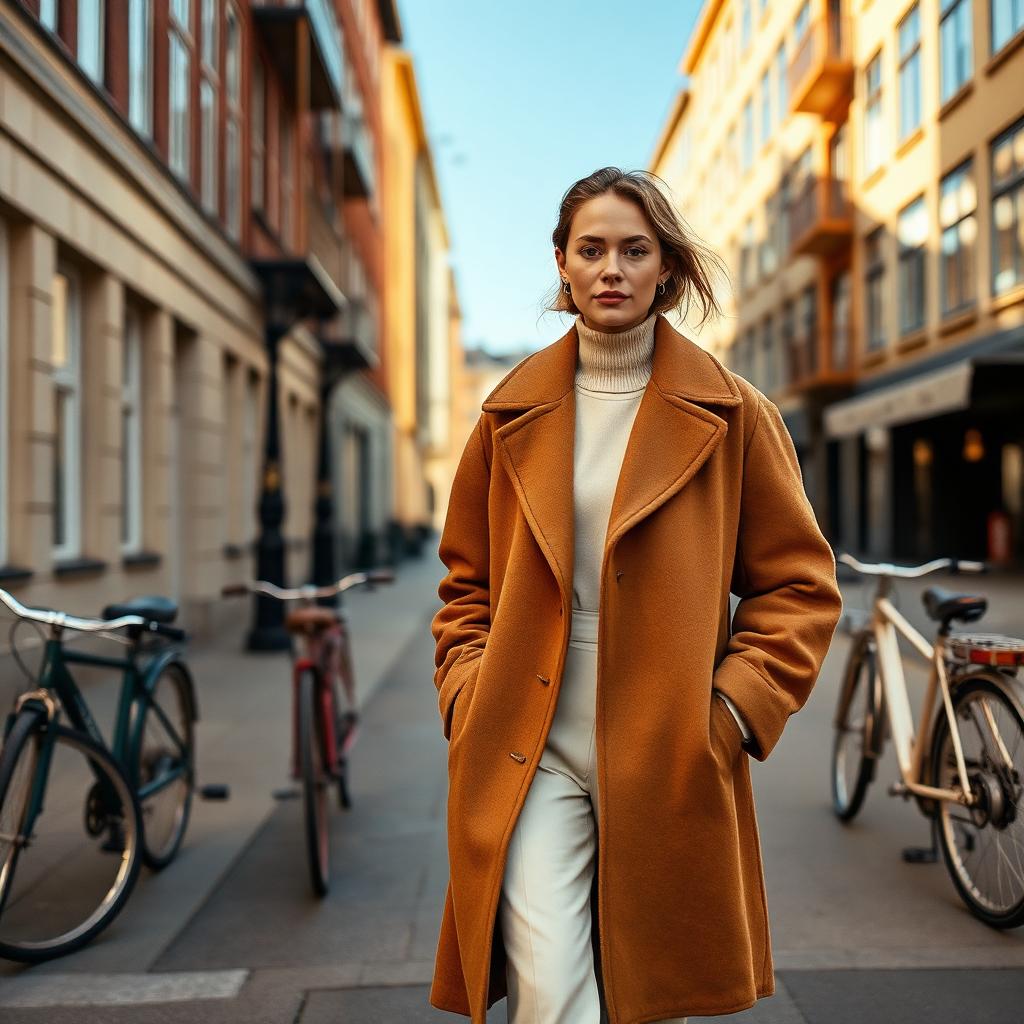
Scandinavian model in an oversized camel wool coat walking a Copenhagen street lined with bicycles in warm autumn light for Avenue. FashionFashion

Scandinavia's Quiet Luxury: How Sustainability Became the Ultimate Status Symbol

From Stockholm to Copenhagen, Nordic designers are proving that the most powerful statement in fashion is restraint.

The global luxury market has spent the last decade chasing noise — louder logos, faster drops, more spectacle. Scandinavia moved in the opposite direction. In Stockholm, Copenhagen, and Oslo, a generation of designers is building brands around the radical idea that the most desirable clothes are the ones that last. This is not minimalism as an aesthetic choice alone. It is a response to a climate crisis that the industry helped create. The Scandinavian fashion weeks now require sustainability certifications as a condition of participation. Major retailers publish the carbon cost of every garment. Consumers are expected to buy less, pay more, and care for what they own. The look that has emerged from this discipline is instantly recognizable. Neutral palettes — oat, charcoal, camel, forest green — dominate the Copenhagen runways. Silhouettes are generous but precise, designed to layer across seasons rather than expire with them. Fabrics are natural: organic cotton, traceable wool, vegetable-tanned leather, recycled cashmere. A single well-cut coat is meant to replace three trend-driven jackets. What makes this movement commercially powerful is that it has escaped its regional origins. The largest luxury conglomerates now own stakes in Scandinavian houses. Global department stores have expanded their Nordic edit by double digits year over year. The customer buying these clothes is not necessarily motivated by environmental guilt. They are motivated by the same thing that has always driven luxury: the desire to signal discernment. The difference is what discernment now means. In an age of overproduction, the ability to choose restraint is itself a status symbol. A wardrobe of fewer, better pieces says more about the wearer than a closet full of logos. Scandinavian fashion understood this first, and the rest of the industry is now racing to catch up. The challenge ahead is scale. Sustainability cannot be a premium niche forever if it is to matter. The brands that win will be the ones that keep their standards intact while making their clothes accessible to more people. That is the next chapter of Nordic luxury — and it is the one the world is watching most closely.

Latino man in a tailored tobacco linen suit standing in a sunlit Havana courtyard with tropical plants and colonial architecture for Avenue. FashionFashion

Havana's Menswear Renaissance: Tailoring Under the Caribbean Sun

A new generation of Cuban artisans is reviving the island's legendary relationship with linen, guayaberas, and impeccable fit.

Cuba's relationship with style has always been complicated. Decades of scarcity turned dressing well into an act of ingenuity — clothes repaired, remixed, and worn with pride long after they would have been discarded elsewhere. Now, as the island slowly reopens to international commerce, a new generation of tailors and designers is turning that ingenuity into a movement. Havana is the center of it. In the old city, workshops that once repaired state uniforms are now producing custom linen suits, hand-rolled guayaberas, and shirts cut from Italian cotton. The aesthetic is unmistakable: light colors, breathable fabrics, relaxed silhouettes that still respect the body. It is tailoring designed for heat, humidity, and the Cuban understanding that elegance should never look like effort. The guayabera — the pleated, four-pocket shirt that is part of the island's visual identity — is being reimagined for a global customer. Designers are lengthening it into a jacket, shortening it into a cropped silhouette, and rendering it in silk and fine wool for evening. What was once a national costume is becoming a versatile luxury staple. The revival is also economic. Tailoring provides skilled work in a country where opportunities are limited. Young apprentices are learning pattern-making, hand-finishing, and fabric selection from masters who trained before the revolution. Some workshops are now exporting small collections to Miami, Madrid, and Mexico City. What makes Havana's menswear renaissance matter beyond the island is its philosophy. In a world of disposable fashion, these clothes are made to be kept, repaired, and passed down. The suit is not a statement of wealth but of care — for craft, for appearance, and for the dignity of dressing well. That is a luxury the rest of the world is only beginning to remember.