 Fashion
Tailoring for Every Body
The quiet revolution happening in ateliers from Naples to Hong Kong.
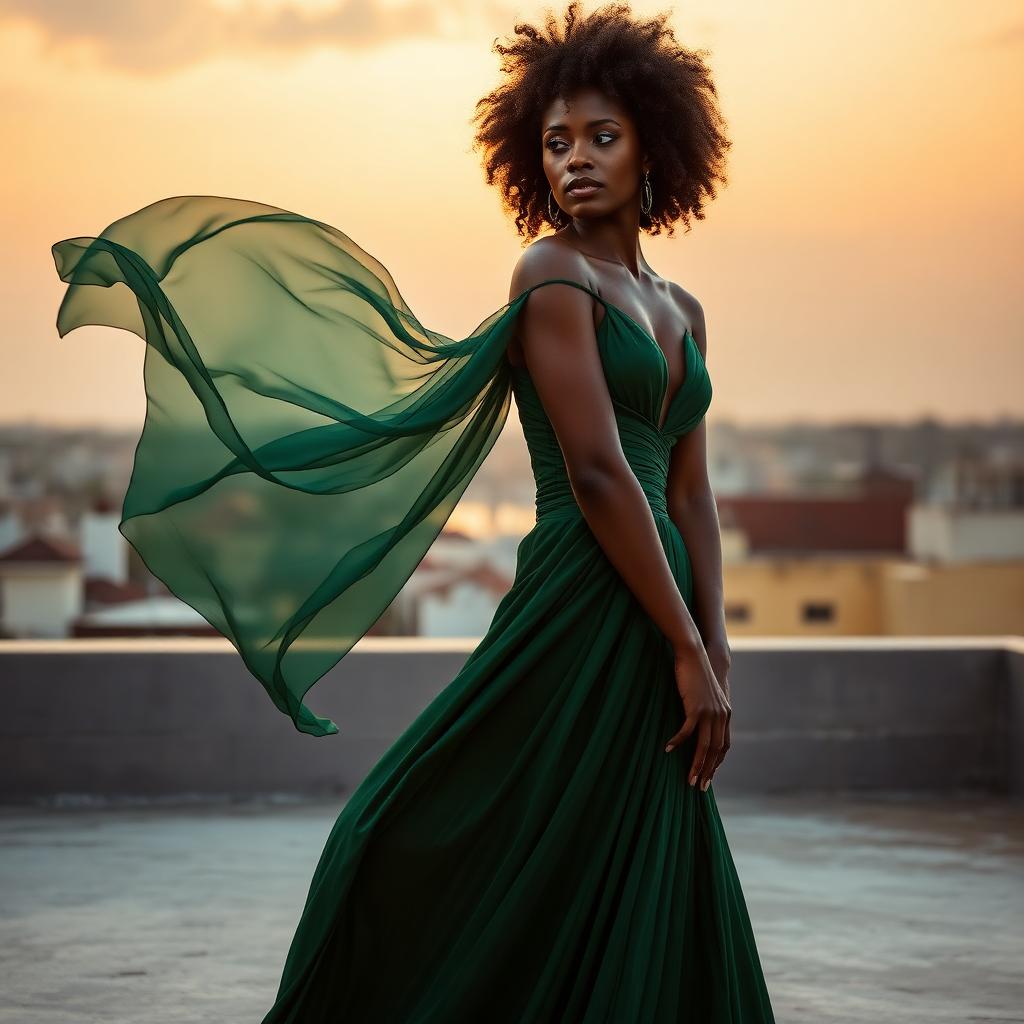
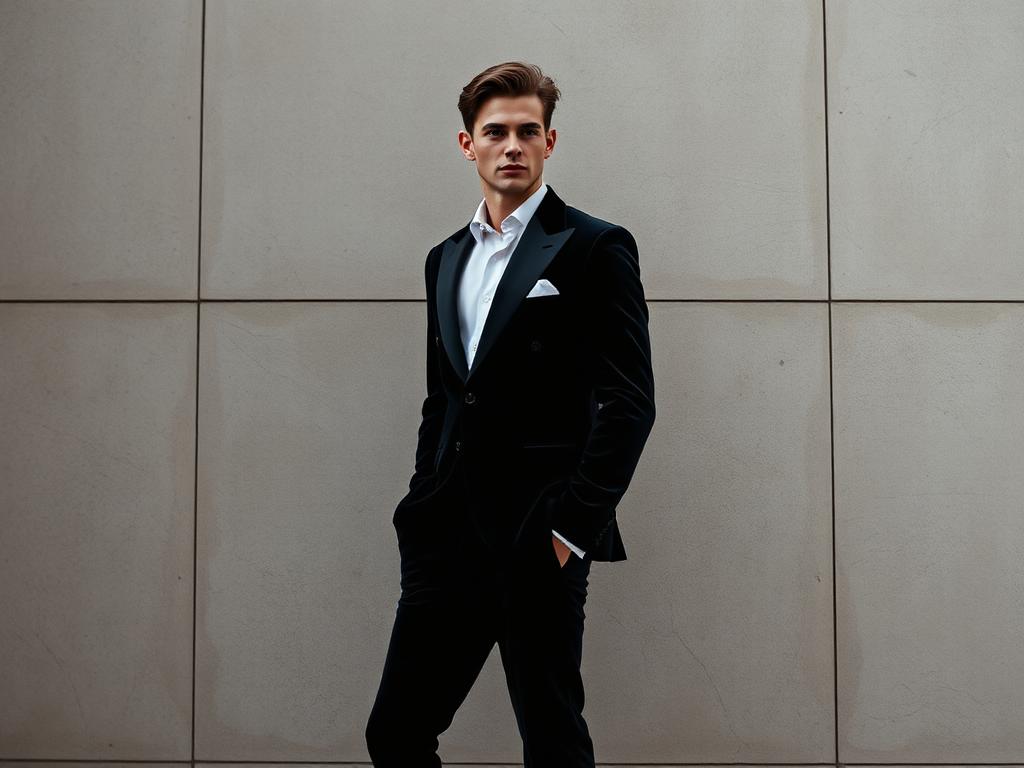
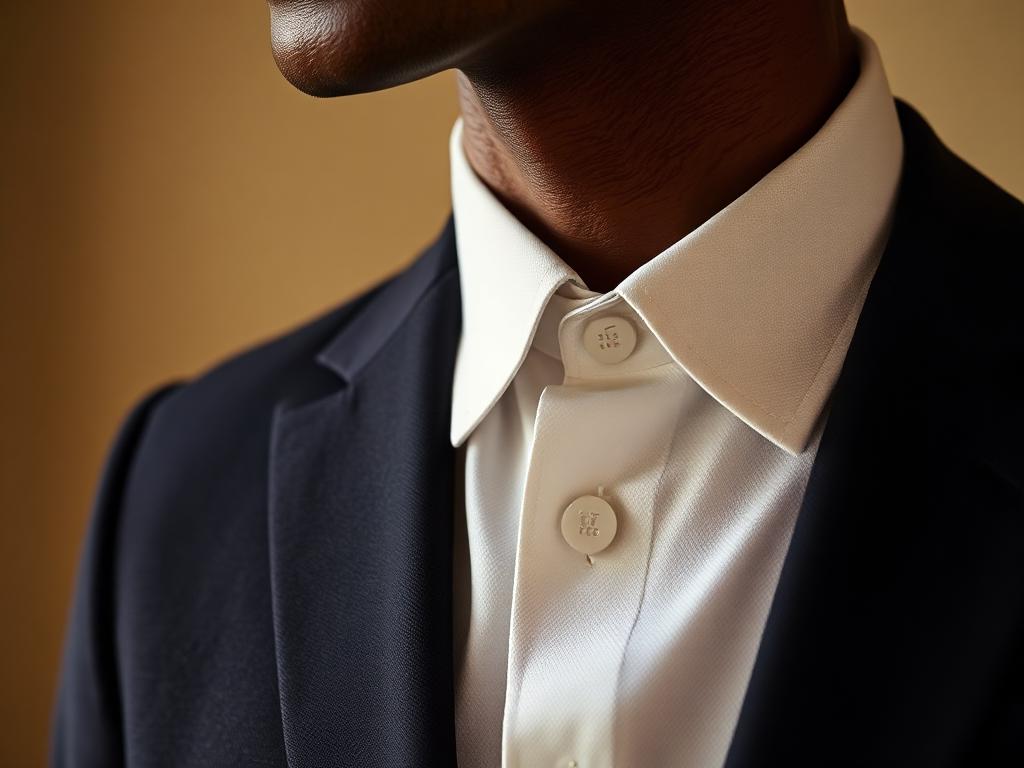
A good suit is architecture you wear. It has to hold a shape while allowing the body inside it to move, breathe, and behave like a human being. For most of the twentieth century, the assumption underneath every tailoring block was that the body in question was a narrow band of male proportions between the ages of twenty-five and fifty. Everyone else was expected to alter themselves to fit the clothes. That assumption is finally being retired. This season, tailors from Naples to Hong Kong to Lagos are expanding their blocks to fit more bodies, more proportions, and more identities. The result is a quiet revolution: clothing that fits the person, not the other way around. We visited three houses over six weeks and came away with one truth — fit is the ultimate luxury, and it is finally being extended to everyone who wants it. In Naples, Sartoria Ciardi has spent the last three years rebuilding its women's blocks from scratch, in collaboration with a rotating group of clients who agreed to be measured, photographed, and consulted through every fitting. The resulting silhouette is unmistakably Neapolitan — soft shoulder, spalla camicia sleeve, no shoulder pad — but built on a pattern that acknowledges breasts, hips, and the fact that most women do not stand in the anatomical position that menswear tailoring implicitly assumes. The house's female clientele has quadrupled. In Hong Kong, the tailor W. W. Chan — a house that has been making bespoke suits for more than seventy years — now devotes a full third of its production to trans and non-binary clients, many of whom fly in from across Asia for fittings. The head cutter described the work simply: 'The suit has to make the client feel like themselves. That is the entire brief. Everything else is technique.' The technique, in this case, includes chest binders integrated into the shirt construction, jacket blocks that flatter surgical results, and trouser fits that accommodate the different pelvic geometries the house had previously ignored. In Lagos, the young tailor Emmy Kasbit is doing something different again — building bespoke tailoring on West African body proportions rather than importing European blocks and forcing them to fit. The results have been noticed. Kasbit now dresses clients in London, New York, and Dubai who could go anywhere for a suit and choose to fly to Lagos instead. The economics of this shift are more interesting than the ethics, which are obvious. Bespoke tailoring is a growth business at a time when almost every other segment of luxury is flat or declining. The customer who commissions a suit is not buying a status object. They are buying a garment that will outlast three ready-to-wear jackets and make them feel taller, calmer, and more themselves every time they put it on. That is a product with genuine value, and the market is proving it will pay for it. The quiet revolution in tailoring is that the industry has finally understood the assignment. Fit is not a technical detail. It is the entire point. And the ateliers that get it right — the ones that will still be here in fifty years — are the ones that treat every body walking through the door as worth building around.