 Beauty
The New Men's Fragrance Wardrobe
Scent is shedding gender labels. These are the notes worth wearing now.
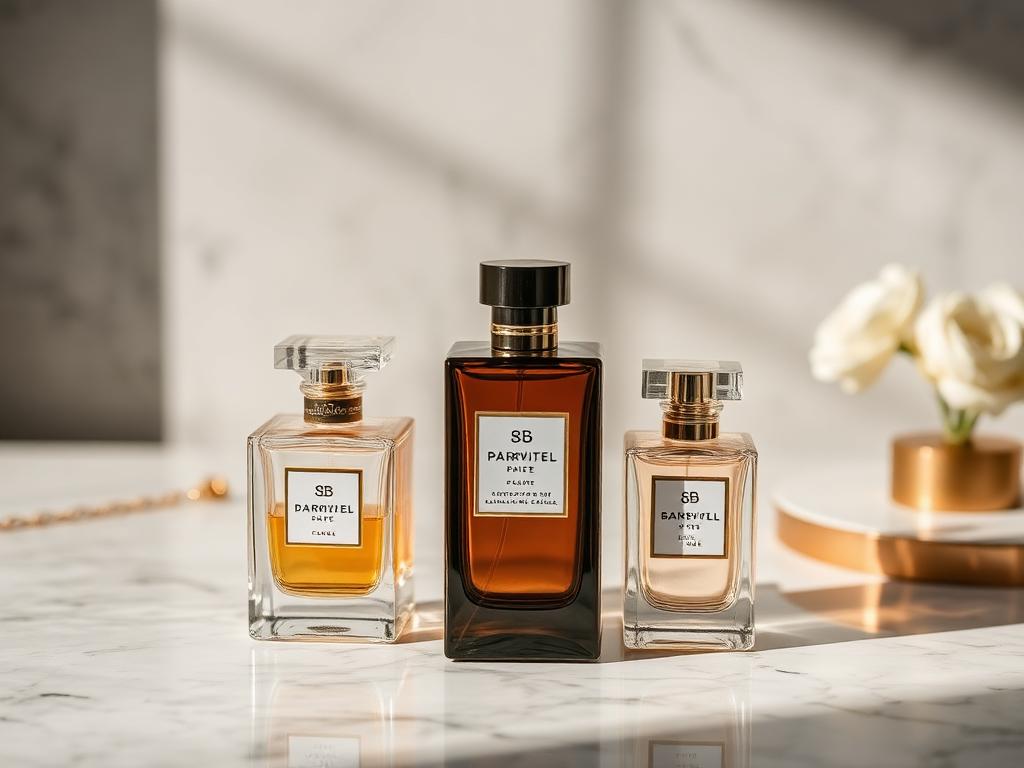
The modern fragrance shelf is no longer divided by gender. Neroli, oud, clean musk, and smoked vetiver sit side by side, chosen by mood rather than marketing. Niche houses from Grasse to Dubai are releasing scents that refuse to label the wearer, and shoppers are responding with real money. The mass-market brands, always the last to move, are quietly rewriting their briefs to catch up. We asked four perfumers — in Paris, Dubai, Los Angeles, and Tokyo — what the future of scent looks like. The answer, in different words each time, was freedom. Freedom from the pink-versus-black bottle. Freedom from the assumption that a wearer's body chemistry can be predicted by the pronoun on their driver's license. Freedom, most of all, to choose a scent because it makes the wearer feel like themselves. For a man building a first serious fragrance wardrobe today, four categories cover almost every occasion. A clean, aquatic-adjacent everyday scent handles work and warm weather; look for compositions built on musk, bergamot, and a whisper of ambergris rather than the loud marine accords of the early 2000s. A leathery, spicy fragrance handles evenings and cold months; suede, cardamom, and a smoky wood base age beautifully on skin. An unusual signature — an oud, a smoked incense, an intensely green fig — creates the scent memory that other people will associate with the wearer for years. And a single well-chosen unisex fragrance, worn only in intimate settings, provides the pleasure of a scent nobody else in the room will be able to name. Application matters more than most men realize. Two sprays, applied to the base of the throat and the inner wrists after moisturizer, will outlast eight sprays applied to a dry shirt collar. Fragrance is designed to be worn on warm, hydrated skin, where the heart notes have time to develop. It is not cologne water to be splashed on for a burst of top notes. It is a wearable composition that reveals itself over hours. The most encouraging shift is generational. Men under thirty-five are buying niche fragrance at rates that exceed any previous cohort, and they are buying by note rather than by brand. They ask about the oud region, the vetiver origin, the concentration percentage. They know the difference between an eau de toilette and an extrait. This is not a phase. It is the arrival of a customer who takes scent as seriously as women's fragrance customers always have. The industry is finally being asked to grow up alongside them.