 Runway
Glow on the Horizon: Sunset Couture from Milan
The atelier shows that defined the most romantic week of the season.
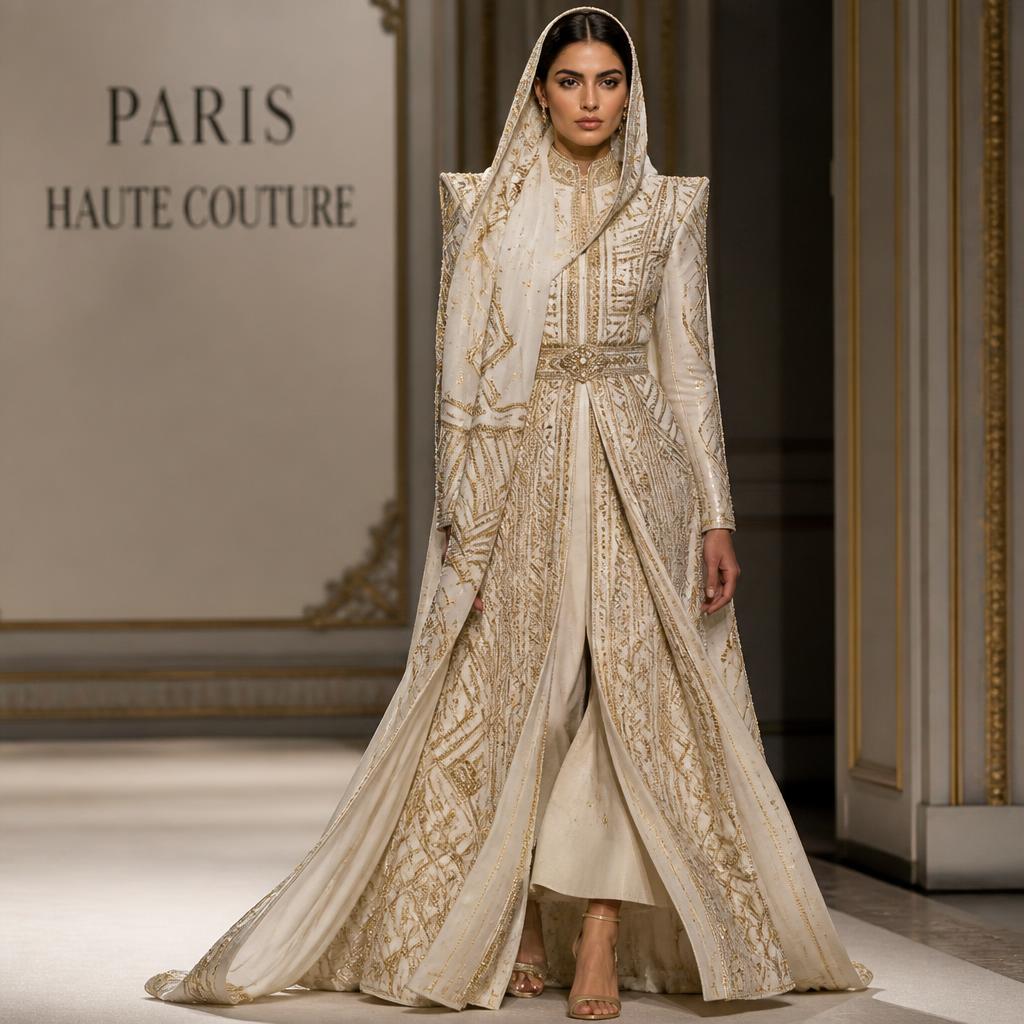
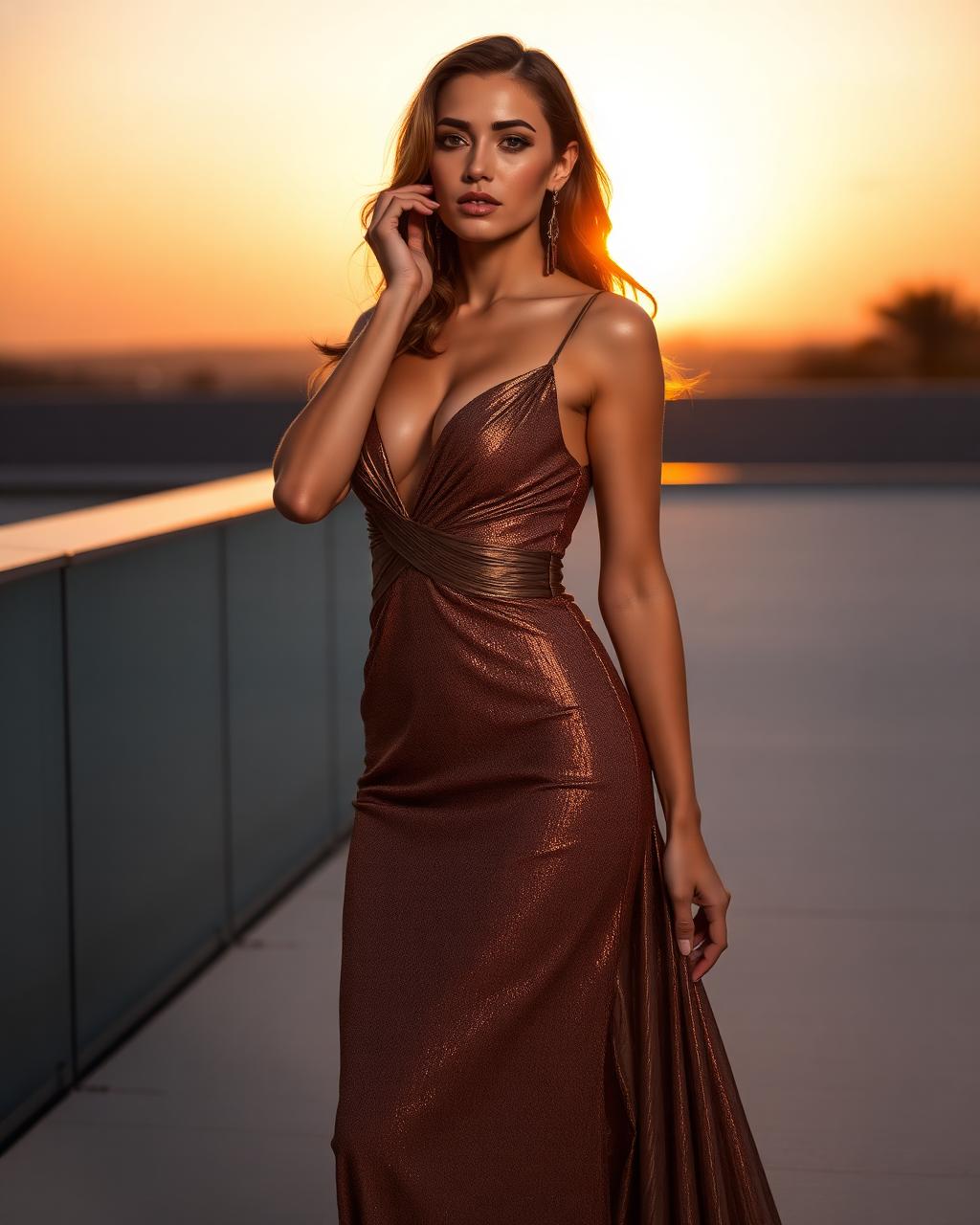
Milan's couture week ended in a wash of amber, rose, and bronze. Designers sent out gowns that seemed to absorb the last light of the day, pairing draped silhouettes with hand-painted ombré and embroidery so fine it disappeared into the fabric. The casting was as varied as the color palette — different ages, bodies, and identities sharing one golden mood. It was a reminder that luxury works best when it welcomes everyone. The week opened at Alberta Ferretti with a collection built almost entirely on chiffon in gradients that moved from apricot at the shoulder to deep rust at the hem. The show's finale — a full-length gown hand-painted over three hundred hours by a single atelier — earned a standing ovation from a front row that included clients from Riyadh, Shanghai, and São Paulo. The message was that Milanese couture, historically overshadowed by Paris, is now competing on its own terms. At Armani Privé, Giorgio Armani sent out a collection that dispensed with color almost entirely, opting instead for a study in liquid metallics — pewter, champagne, antique gold — cut into columnar gowns and softly tailored trouser suits. The tailored evening suit for women, in particular, felt like a quiet correction to a decade of gown-obsessed red-carpet dressing. Several editors called it the most confident collection of Armani's late career. The most talked-about moment came at Roberto Cavalli, where the house's new creative director opened with a trans model in a bronze mesh gown embroidered with two hundred thousand hand-applied paillettes. The applause did not stop for the length of her walk. Whatever one thinks of Cavalli's history, the decision to place that image at the front of the collection reset the conversation about who couture is for. What unified the week was a rejection of spectacle for its own sake. The clothes were slower, quieter, and more considered than the Paris shows earlier in the year. Craftsmanship was foregrounded. Runways were smaller. Notes distributed to editors listed the number of hours each look required, and the names of the artisans who had built them. It was couture behaving as it should — as the industry's laboratory, its conscience, and its highest expression of skill. The golden hour aesthetic that dominated the week will not last as a trend. Fashion never lets any single mood run for more than a season. But the values underneath it — patience, inclusion, and a return to the hand of the maker — feel more durable. Milan, this week, made the case that couture is not a museum. It is a working practice, and the light it caught was the light of a future the industry is still learning to deserve.