 Cosmetics
The Wisdom of Elders: What Indigenous Beauty Traditions Are Teaching the Industry
From the Navajo Nation to the Andes to the Australian outback, beauty rituals refined over centuries are quietly reshaping the modern cosmetics counter.
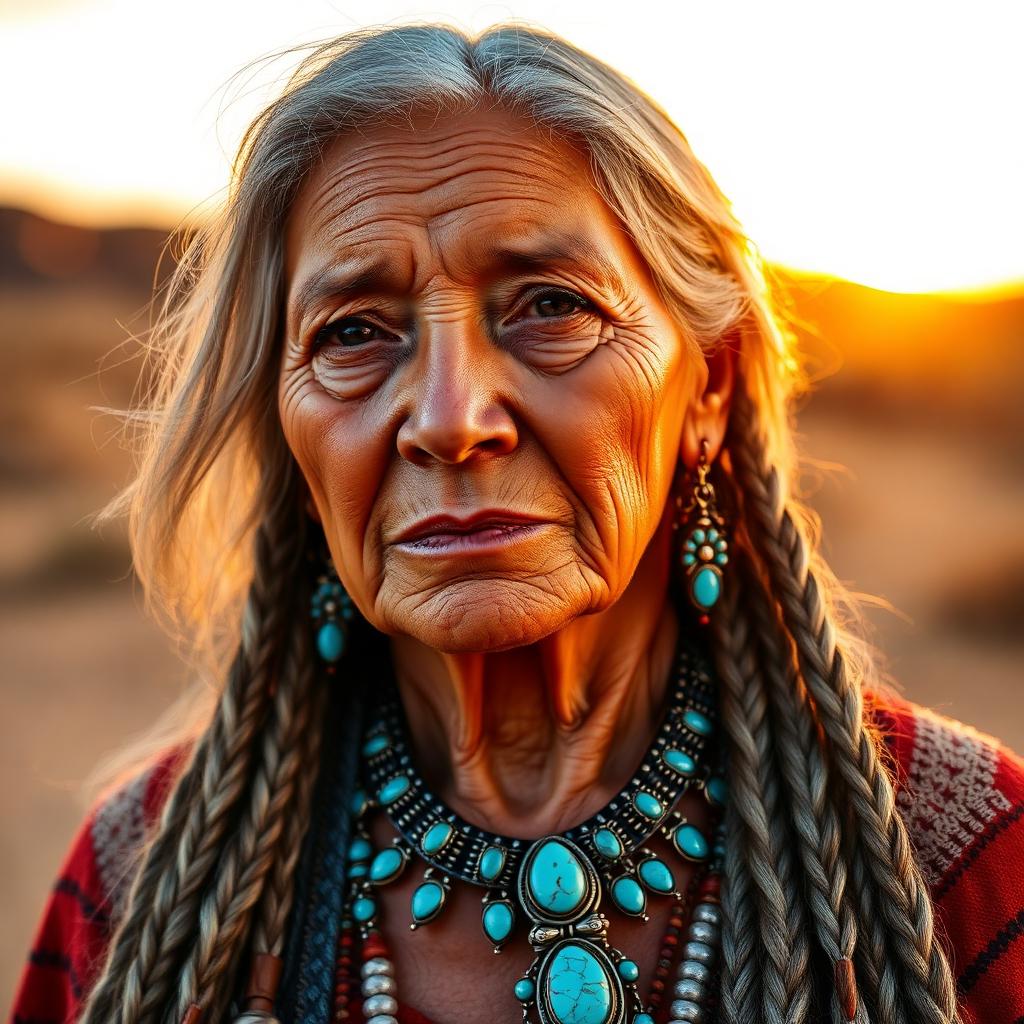
The global beauty industry is worth more than half a trillion dollars and most of its founding innovations are between fifty and a hundred years old. Indigenous beauty traditions, by contrast, have been refined over millennia. It is taking the industry an embarrassingly long time to notice the asymmetry, but a correction is finally underway. In the Navajo Nation in the American Southwest, elders are leading workshops on the use of yucca root as a cleanser, juniper ash as a skin treatment, and sage as a fragrance. These are not folk remedies. They are formulations that have been tested, adjusted, and passed down for generations in conditions — high altitude, intense sun, extreme temperature swings — that would punish most modern products. Cosmetic chemists from major laboratories now travel to reservations to learn what generations of women have always known. In the Andes, the maca root and quinoa-based skincare that has been part of Quechua beauty practice for centuries is now the foundation of a growing category of high-performance serums. In Australia, the Kakadu plum — used by Aboriginal communities for skin and wound care for tens of thousands of years — has the highest known concentration of vitamin C of any fruit on Earth, and is now an ingredient in serums sold at Bergdorf Goodman. In Morocco, the argan cooperatives that produce the oil have become a model for how Indigenous beauty knowledge can generate income for the women who hold it, rather than being extracted for someone else's profit. The ethical questions are real and unresolved. For most of the industry's history, Indigenous knowledge was treated as a free input — taken, repackaged, and sold back at a markup. The companies doing this right today work in partnership with the communities whose traditions they draw from, share royalties, and credit the source on the label. The companies still doing it the old way are increasingly being called out by a customer base that cares. What the elders are offering the industry is more than ingredients. It is a philosophy: that beauty is connected to land, to lineage, and to the long view of what a body needs to thrive. In a market saturated with twelve-step routines and miracle-of-the-month launches, that philosophy is starting to sound less like tradition and more like the future.